Phuentsholing Tshechu
- Kind
- Tshechu
- Venue
- Palden Tashi Choling Tshulga Lhakhang
- District
- Chhukha
- Region
- Western Bhutan
- Tentative
- Tentative
The tentative festival calendar lists it as Phuntsholing Tshechu.
Attend Phuentsholing Tshechu with Little Bhutan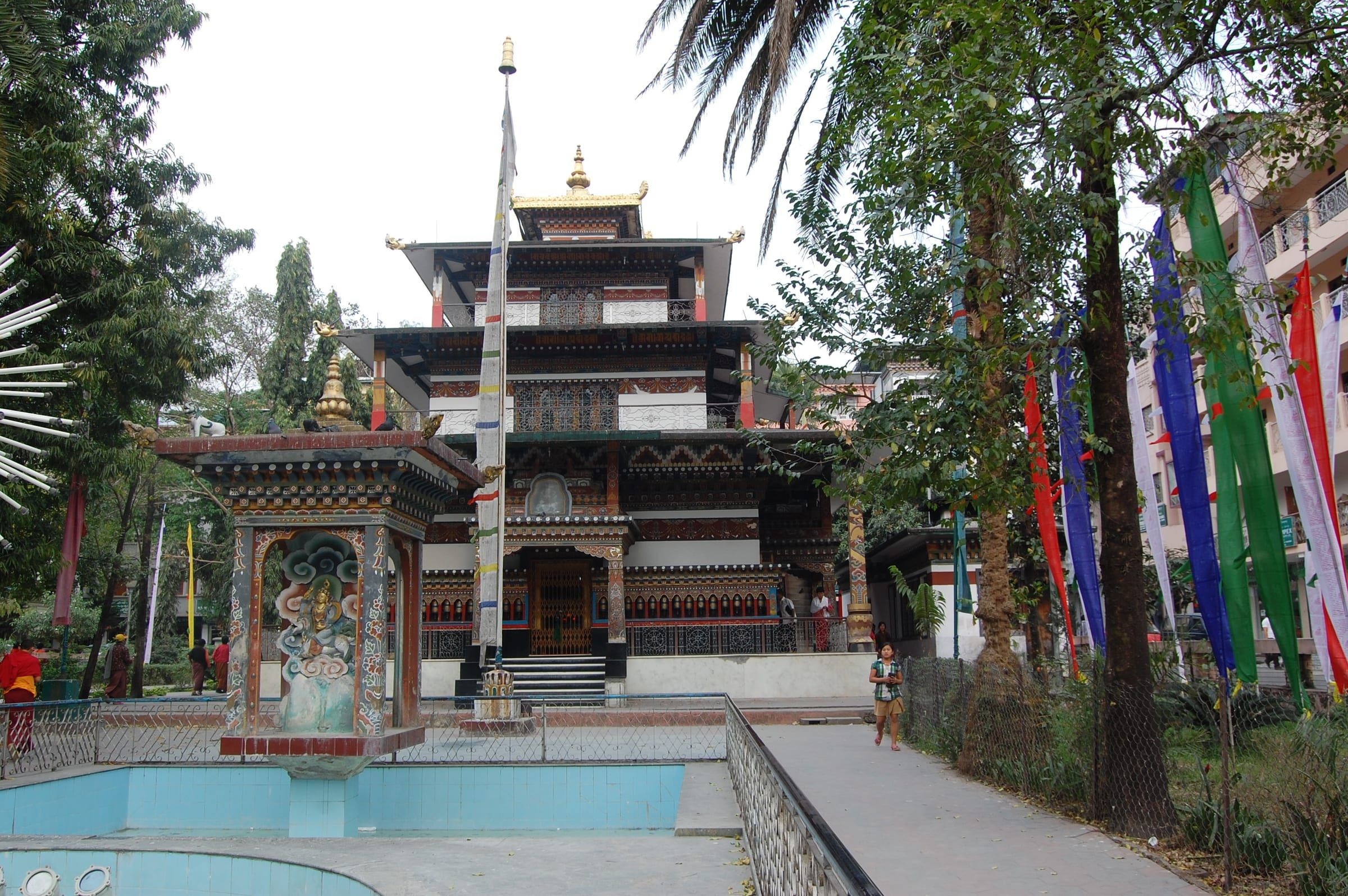
When it happens
Phuentsholing Tshechu is held over three days. That is shorter than the longer tshechus (festivals honouring Guru Rinpoche) held at dzongs (fortresses).
It is usually described as a late-autumn festival whose date shifts from year to year with the lunar calendar.
Where it happens
Phuentsholing has no dzong. The tshechu is held at the ground of a lhakhang (temple) in the town, Palden Tashi Choling Tshulga Lhakhang, and this sets it apart from the tshechus held in dzong courtyards. Thousands of people gather at the lhakhang for the festival.
Phuentsholing is Bhutan’s land gateway from India. The Bhutan Gate, a landmark of Bhutanese architecture, marks the border in the town. The festival’s setting is a lowland border town rather than the highlands.
History
Phuentsholing Tshechu has been held every year since 2014, which makes it young beside the centuries-old dzong tshechus.
In its early years, the town had to hire mask dancers from Chhukha and other regions. Local schools later took over the dancing. The festival’s continuity has been credited to the joint effort of the monks, students and teachers involved.
It began as a one-day festival and was extended to three days from 2023.
Dances and rituals
The mask dances include the Drametse Ngacham (the Mask Dance of the Drums from Drametse) and the Guru Tshengye (the Eight Manifestations of Guru Rinpoche).
Being there
Phuentsholing is Bhutan’s main land entry point. It sits immediately against the Indian town of Jaigaon in West Bengal and is the busiest of Bhutan’s land border crossings, so the tshechu is unusually easy to reach if you enter Bhutan overland from India. The nearest Indian railway access is Hasimara, about 17 km from the Jaigaon–Phuentsholing crossing. Phuentsholing is also the road head for the highway inland to Thimphu and Paro.
The town is being developed as a gateway for tourism and trade, with an official push to make travellers stop and stay rather than pass straight through. Its own draws are its markets, the Bhutan Gate and the nearby Karbandi Monastery viewpoint.