Rhododendron Week
- Kind
- Modern festival
- Venue
- Sheytemi
- District
- Trashigang
- Region
- Eastern Bhutan
When it happens
Rhododendron Week is timed to the rhododendron bloom. In high-altitude areas the flowering season begins in early March and continues through August.
The festival runs for a full week. That length was a deliberate choice, described as allowing deeper engagement with the local culture and environment and attracting a wider audience.
The bloom is not a reliable clock. The days are usually described as set by the district administration against the bloom rather than by an almanac, and as open to being re-set.
Where it happens
The festival ground is Sheytemi, an open highland valley in Merak, at around 2,900 metres. It lies about 27 kilometres from Rangjung town, on the road towards Merak.
Merak and neighbouring Sakteng fall within the Sakteng Wildlife Sanctuary and are known for their highland culture and biodiversity. Merak and Sakteng are often described as home to 41 of Bhutan’s roughly 46 rhododendron species.
Authorities developed the ground for the festival. They built an information centre, a gallery for the chief guest and commercial stalls, and washrooms from local bamboo. They also revived water ponds, created a playground and improved the Mindrulaa-to-Merak trail.
History
Rhododendron Week is a new festival. The Trashigang district administration planned it after two consultation meetings with stakeholders and local leaders.
It is usually described as organised by the Trashigang district administration with the Department of Tourism. The district’s stated purpose is regional rather than religious. It describes the festival as a way to boost the local economy through community-driven tourism. The Department of Tourism presents it as part of diversifying tourism beyond Paro, Thimphu and Punakha.
It is a separate festival from the Rhododendron Festival at the Royal Botanical Park in Lamperi, at the other end of the country.
What happens
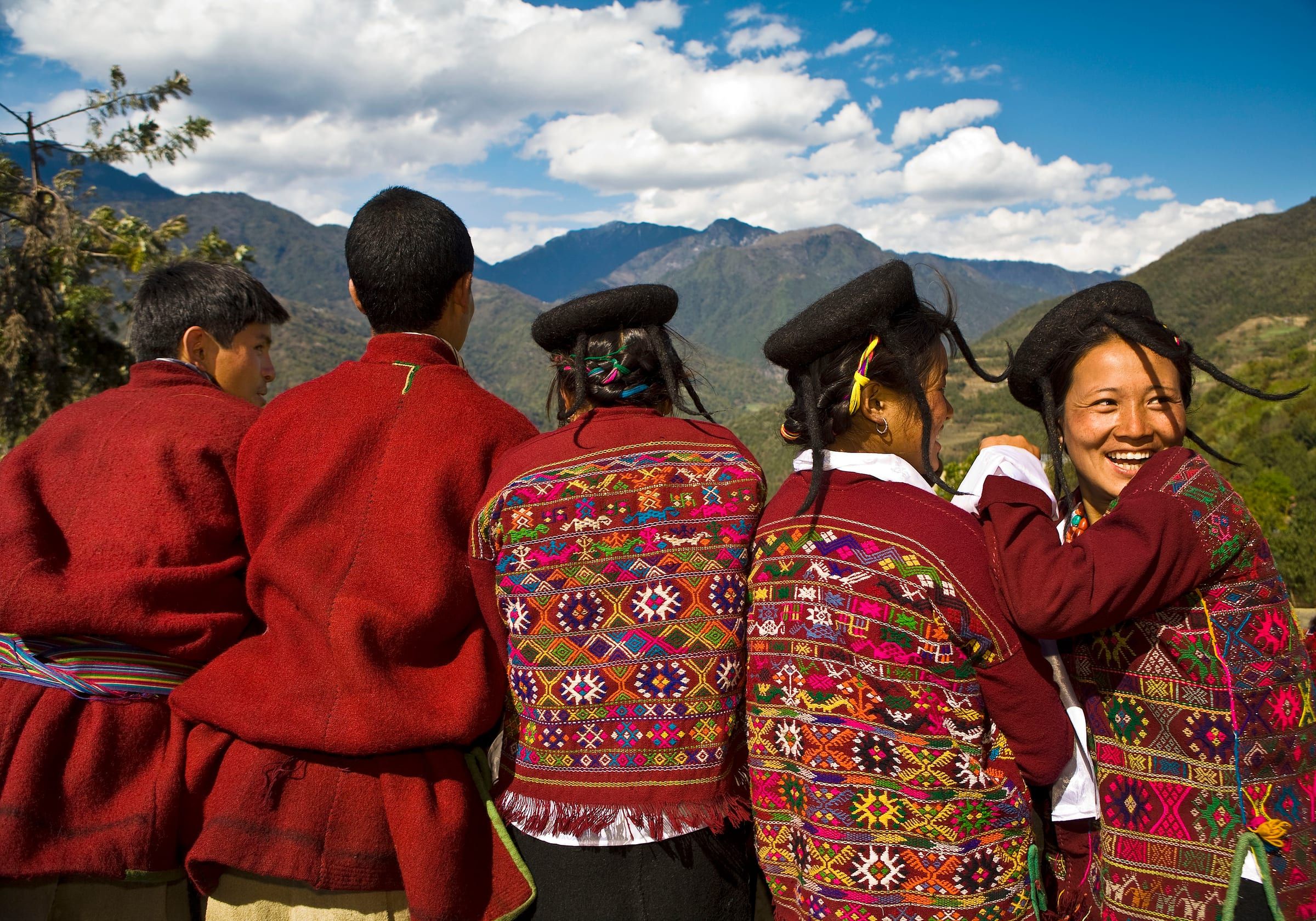
At its centre is the highland culture of the Brokpa people: their dances, their dress and their way of life, with the bloom setting the timing.
Being there
Places to stay are homestays and tents, and there are few of them. There are homestays in Merak and Radhi. Hotels in Trashigang town are reported to take festival bookings too.
The road network into Merak is fragile.
The Darranga–Samdrup Jongkhar immigration checkpoint opened to international visitors in November 2024. It has already made travel to eastern Bhutan more accessible.
Merak has had electricity since late 2011, and most households cook and heat with electric appliances and gas rather than firewood.